Two Honors History Projects
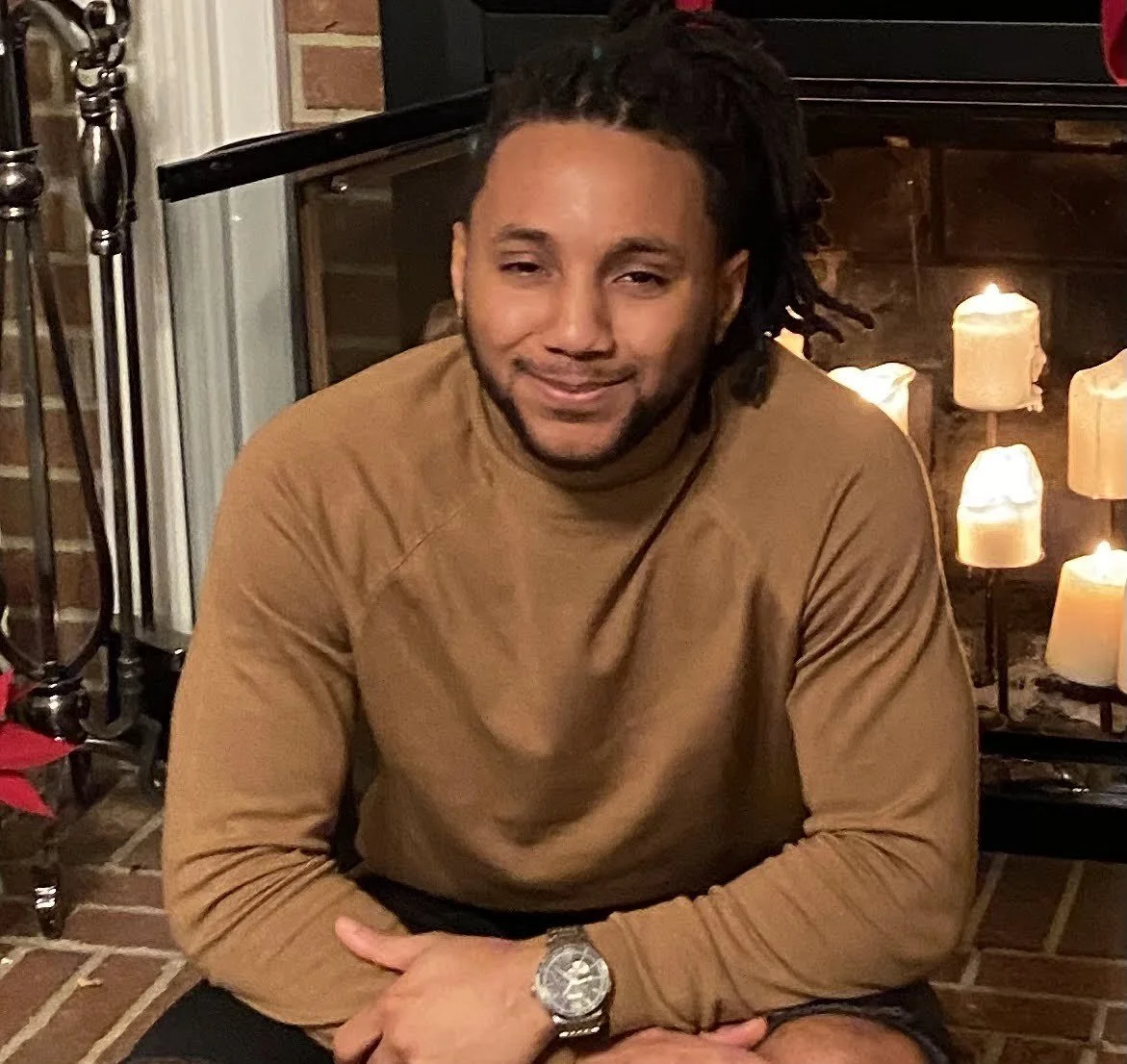
Brian Garland
Honors Projects: Imperialist Ventures and The Covert Heroes of World War 1
Honors Course: Honors History of Native Americans and U.S. History from 1877
Instructor: Wendy Adele-Marie
My name is Brian Garland, and I’m a second-year student at Oakton College. I will be graduating in the spring of 2026 with an Associate of Arts degree and transferring to a four-year institution to attain a degree in either Kinesiology or Exercise Science, with aspirations of becoming a Physical Therapist. Oakton’s Honors Program has introduced me to new curricula that I may have never considered beforehand and has tremendously helped refine my research and writing skills. The program has taught me not to set limitations upon myself, but to challenge myself academically.
My two Honors projects were completed in Honors History classes with Dr. Wendy Adele-Marie.
“Imperialist Ventures”: Dr. Adele-Marie’s “Honors: U.S. History from 1877” class informed us about the early industrialization that took place in America, which inspired my Honors project. In my essay, I examined American imperialism’s impact in Hawaii and countries in Central and South America. The desire to be a hegemonic power induced the founding of the Dole Food Company and the United Fruit Company. These companies proceeded to profit from the resources of said territories, in addition to influencing local governments, while exploiting their native people. Given the state of today’s geopolitics, with controversy surrounding the U.S.’s involvement in Venezuela and Greenland, I feel as if this essay is particularly relevant.
“The Covert Heroes of World War 1”: Infatuated by the complex dynamics of Native American participation in American wars, Dr. Adele-Marie helped me research the lesser-known code talkers of World War 1. In my essay, “The Covert Heroes of World War 1”, I identify how differing tribes and their respective languages were utilized to help topple the Central Powers. Despite enduring displacement and discrimination on American soil, they fought alongside the Allied powers. Facing linguicide by way of Indian boarding schools, the language of Indigenous soldiers was applied via code transmission to foil German soldiers from intercepting tactical messages on the battlefield.