Influence of Breeding Practices on Genetic Diversity in Domesticated Dogs (Canis lupus familiaris) and Relevant Disorders
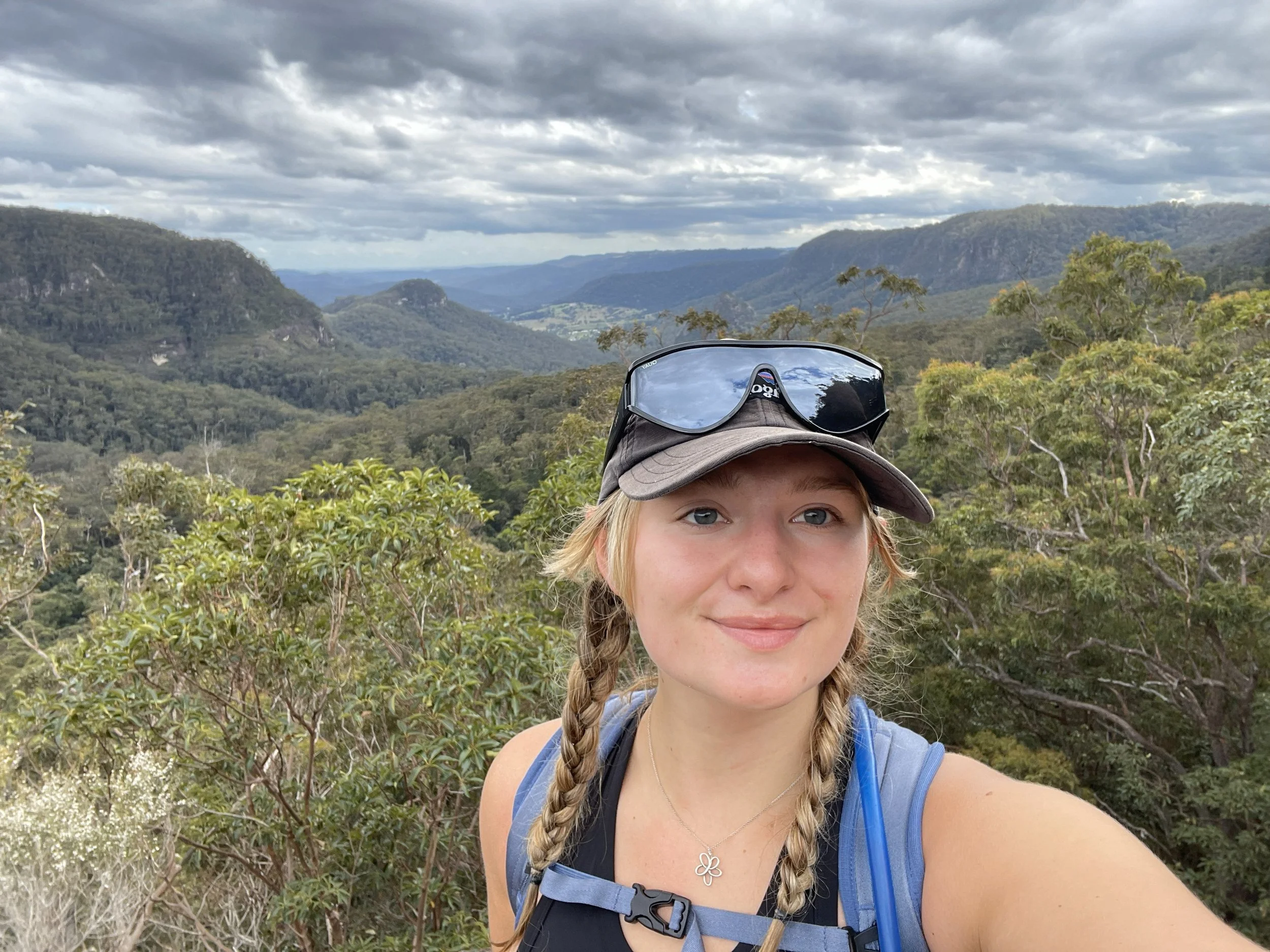
Lilly Gaechter
Honors Project: Influence of Breeding Practices on Genetic Diversity in Domesticated Dogs (Canis lupus familiaris) and Relevant Disorders
Honors Course: Honors General College Biology II
Instructor: Khursheed Ichhaporia
My name is Lilly Gaechter and I am an aspiring veterinarian. I have always been interested in working with animals in academic, professional, and personal settings—an interest fostered by growing up in a household filled with animals, riding horses in the summers, and pursuing a degree in Marine Biology. Having been involved in various philanthropic organizations since my teenage years, I hope to use the knowledge I have gained in my past, present and future academics to involve myself in contributing to both local and far-reaching communities. Through Oakton College I have completed various courses in Biology, Organic Chemistry, Anatomy & Physiology, and Biochemistry to prepare myself for the rigors of veterinary school.
In efforts to tie my passion for animal science and global societies with the themes of BIO 122, my Honors Project focused on the evolutionary history of domesticated dogs, characteristic breed groups across various continents, as well as impacts of particular breeding practices on canine welfare and genetic diseases. Since the beginning of this project I have been both fortunate and grateful to have had the support of Professor Khursheed Ichhaporia. She was a constant presence throughout the process, advocating for my success and understanding of my busy schedule juggling three classes, work, and veterinary school applications. She empowered me to take agency over my topic of interest and Professor Ichhaporia was always happy to provide suggestions and encouragement when I needed it. Getting the unique opportunity to complete this Honors Project through the Honors Program at Oakton, she helped me build on my independent research skills, a critical component of success in professional and academic fields.
During the semester, Professor Ichhaporia learned of a distinctive visit through the Global Studies Program at Oakton college from a faculty member from Lome, Togo. She organized a meeting between her, me and the visiting faculty from the Higher School of Agronomy of University of Lome in Togo, West Africa, Dr. Kpassi Seme. Dr. Seme has done extensive research in aquaculture and agriculture, with a particular focus on artificial insemination. With hopes to take my veterinary medicine career global, either through my school program or future volunteer opportunities, having the chance to sit down and interact with international faculty made me more confident in my ability to achieve that goal. While the interview focused primarily on livestock, I took time to read research papers by the Dr. Seme so I could focus my interview questions. I was able to find academic papers describing similar research in canine studies, serving as a prime example that animal science and medicine can be quite transferable between species, even including humans!

Left to Right: Professors Ichhaporia and Seme and Lilly Gaechter
Lilly Gaechter presented followup work at the Roosevelt University Symposium highlighting research and innovation. Her poster was titled "Influence of breeding practices on genetic diversity in domesticated dogs (Canis lupus familiaris) and relevant disorders"
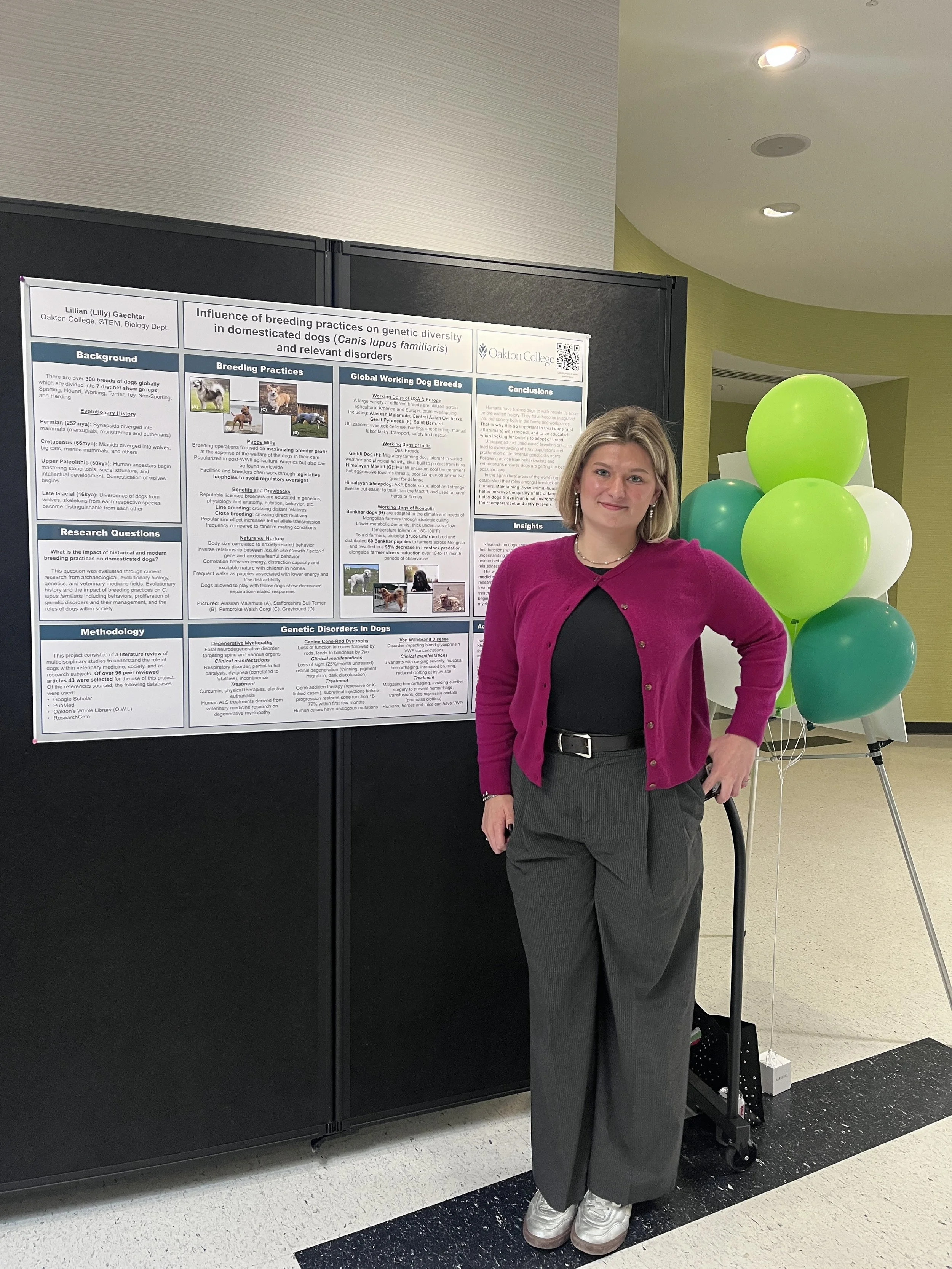
Lilly Gaechter presenting at the Roosevelt University Symposium.
Lilly Gaechter also presented at the ASIANetwork conference. Her poster was titled "Influence of breeding practices on genetic diversity in domesticated dogs (Canis lupus familiaris) and relevant disorders – Focus on breeds from India and Mongolia"
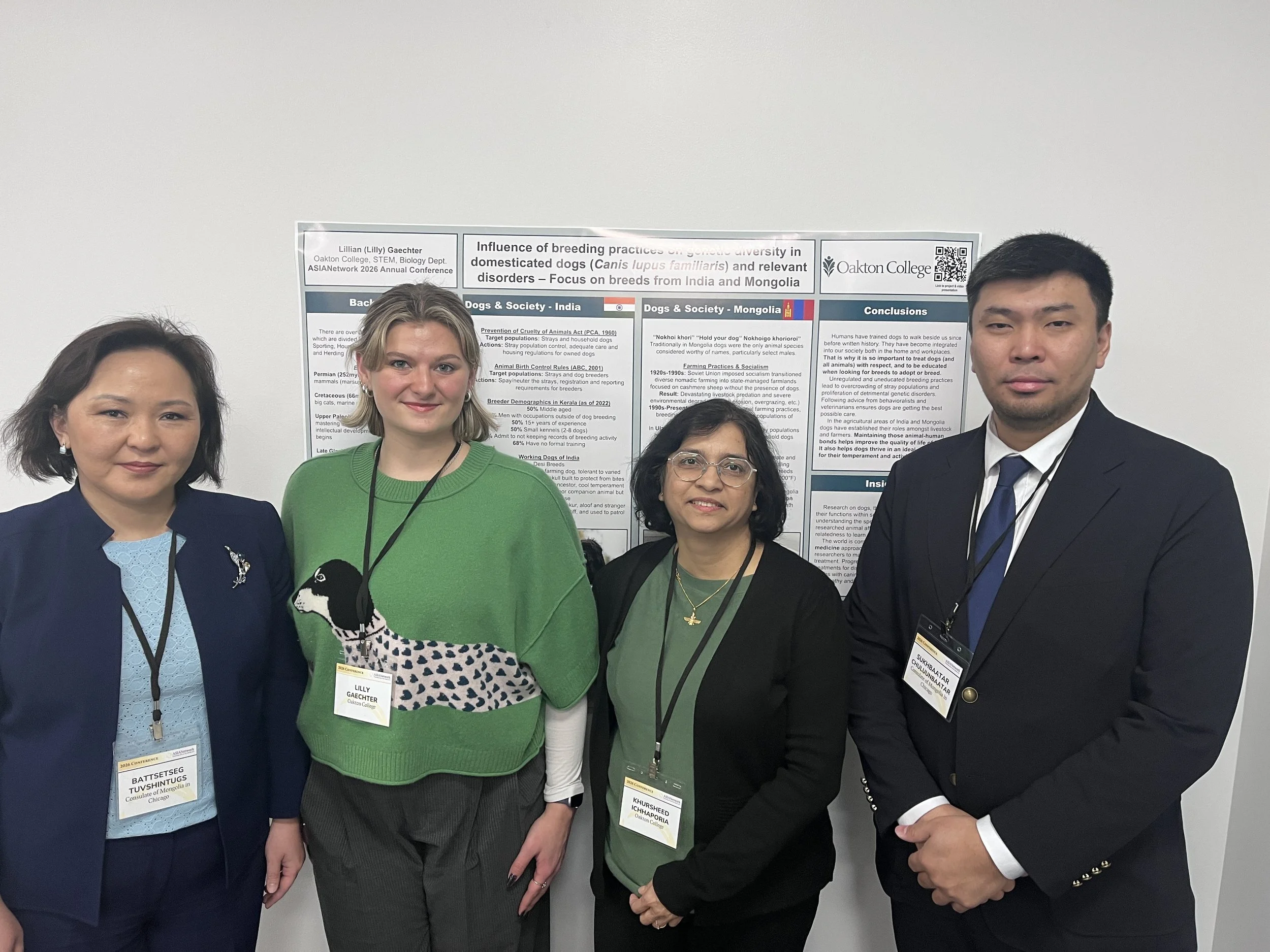
Left to Right: Consul of Mongolia Battsetseg Tuvshintugs, Oakton Student Lilly Gaechter, Oakton Professor Khursheed Ichhaporia, and Vice-consul Sukhbaatar Chuluunbaatar at the conference.